
Isabelle de Charrière’s Narrowed World
The Second SexThis flow follows Isabelle de Charrière from an independent young woman’s resistance to convention through a constraining marriage, literary work, and a self-imposed retreat into routine.
increasing Bearing strength in each event
 decreasing
Bearing strength in each eventdecreasingA Rebellious Young Woman
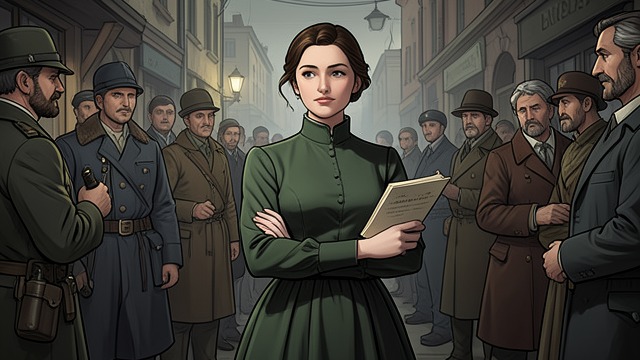
Refusing an Assigned Future
Unusual independence
Isabelle de Charrière, then known as Belle de Zuylen, was described as unusually intelligent, caustic, and original. She rejected numerous suitors and resisted the ordinary expectation that a woman’s future should be settled through marriage.
Her resistance did not mean that she had found a secure alternative. It meant that the conventional options offered to her did not satisfy her; she wanted a life that could preserve her independence and intellectual force.
A narrowing choice
By the time she approached thirty, the constraints of her social world remained powerful. The decision to marry would not simply be a private romance: it would determine the household, company, and daily life in which she would have to live.
Marriage to M. de Charrière
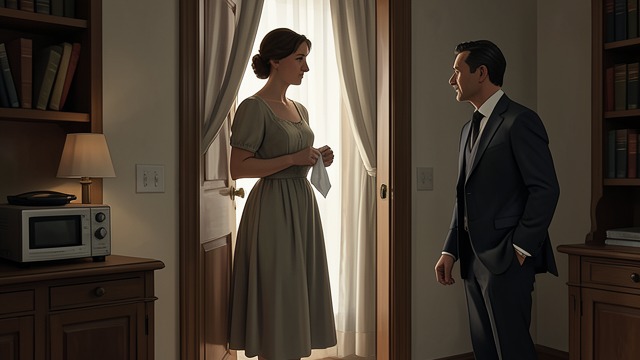
Choosing a Respectable Union
A qualified decision
Isabelle de Charrière married M. de Charrière after valuing his honesty and sense of justice. She resolved to make him a deeply loved husband, approaching marriage not as an uncomplicated surrender but as an attempt to build a tolerable life within its limits.
The choice offered a settled social position, yet it did not guarantee the intellectual companionship or shared purpose she needed. Her later unhappiness would reveal how little a respectable arrangement could compensate for a narrow daily world.
The institution’s terms
Marriage placed her in a household and a social setting largely shaped by her husband’s world. Her intelligence remained hers, but its realization had to contend with the routine and isolation attached to the role of wife.
Routine at Colombier
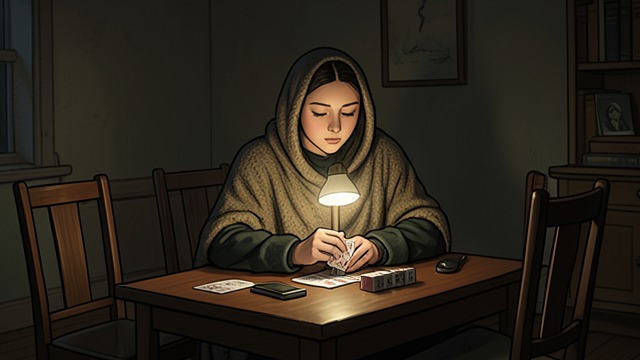
Life in a Closed Household
A constricted existence
At Colombier, Isabelle de Charrière faced provincial routine and a husband whose temperament offered little of the intensity she wanted. Household tasks, evenings of card games, and a small social world replaced the freedom and intellectual excitement she had hoped to maintain.
She wrote novels, but her work did not erase the enclosing conditions of her life. The record presents a woman able to think and create, yet unable to turn those capacities into an independent public existence on the scale she desired.
Solitude within marriage
Her dissatisfaction was not simply a complaint about one bad day or one task. She experienced marriage as a continuing pause, a life divided from the intellectual and emotional possibilities she had once imagined for herself.
A Passionate Interruption
The Years with Benjamin Constant
A new attachment
Benjamin Constant entered Isabelle de Charrière’s life and occupied her intensely for several years. The relationship interrupted the monotony at Colombier and gave her a powerful emotional attachment beyond the narrow rhythm of the household.
The affair did not provide a lasting escape. When she gave him up, she faced again the solitude and routine from which the relationship had briefly drawn her out.
Freedom and loss
Her experience showed both the force and the limits of love as a route out of an enclosed life. An attachment could animate her existence, but it could not by itself create the independent projects and social conditions she lacked.
Choosing the Garden Prison
Resignation as a Strategy
Retreat from the world
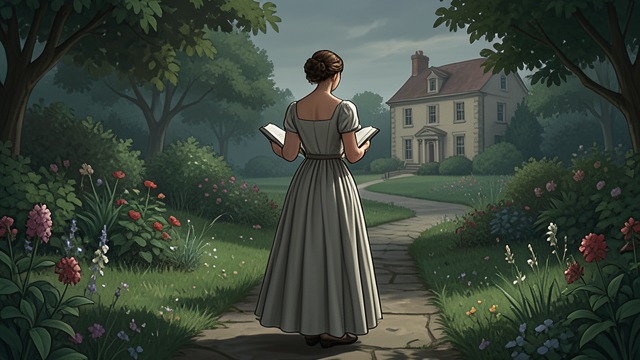
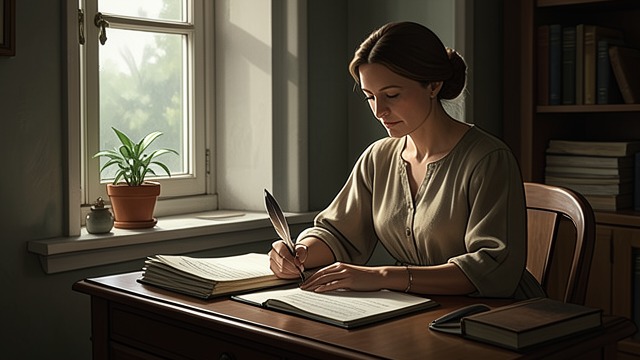
After her relationship with Benjamin Constant ended, Isabelle de Charrière chose to remain at Colombier and to make its limits bearable. She withdrew from much of the surrounding society and cultivated a tightly bounded life of writing, advice, and acts of kindness.
Her decision gave her a measure of control: she could choose to endure the place rather than continue to imagine escape. Yet the account presents this as a defensive settlement, not a full realization of the freedom she had sought.
A costly calm
Isabelle de Charrière’s later life became one of severe self-control and accompanied solitude. Her story illustrates how an intelligent woman could preserve inner independence while still being enclosed by the social conditions of marriage.
Before marriage, in early adulthood
Around age thirty
The years after her marriage
Later in married life
Later years at Colombier
